AtaGenix Laboratories

AtaGenix Laboratories
AtaGenix develops clonally-derived, manufacturing-ready CHO stable cell lines in approximately 12 weeks — from vector construction to a fully characterized Research Cell Bank (RCB). Every line is documented for monoclonality, tested for stability over 60+ generations, and delivered with complete IP ownership transfer.
We support three industry-standard selection systems: G418/Neomycin for rapid research-grade lines, DHFR/MTX for gene amplification and enhanced yields, and GS/MSX for stringent high-producer isolation. Our CHO-K1 host cells and proprietary XtenCHO™ platform enable titers exceeding 7 g/L in fed-batch culture.
Whether you are transitioning from transient expression to long-term manufacturing or building a production line from scratch, our PhD-level scientists design the optimal strategy for your molecule. GMP-grade scope is available upon request.
Clonally-Derived & Documented
Single-cell cloning with image-based monoclonality evidence package
~12 Weeks to Research Cell Bank
From vector build to stability-tested RCB with full QC documentation
Multiple Selection Systems
G418, DHFR/MTX, and GS/MSX options to match your titer and timeline needs
Our stable cell line platform bridges discovery and manufacturing — delivering high-titer, clonally-derived production lines with full documentation for regulatory readiness.
Selection Systems
| System | Mechanism | Best For |
|---|---|---|
| G418 / Neomycin | Antibiotic resistance selection | Rapid selection, research-grade lines |
| DHFR / MTX | Gene amplification via methotrexate pressure | Enhanced expression levels, high copy number |
| GS / MSX | Glutamine synthetase selection with methionine sulfoximine | Stringent high-producer isolation, commercial manufacturing |
XtenCHO™ — Proprietary High-Density Expression
Our proprietary CHO expression system optimized for difficult-to-express proteins. Higher titers and faster development timelines compared to standard CHO platforms. Particularly effective for bispecific antibodies, Fc-fusion proteins, and multi-domain constructs.
| ✓ Clonally-derived production cell line | ✓ Monoclonality documentation (image evidence) |
| ✓ Research Cell Bank (RCB) | ✓ Stability data (≥60 generations) |
| ✓ Expression titer report (fed-batch) | ✓ QC data: SDS-PAGE, SEC-HPLC, glycan profile |
| ✓ Full IP ownership transfer | ✓ Protocol package for CMO transfer |
~12
Weeks to RCB
>7 g/L
Top Clone Titer
60+
Generations Stable
100%
IP Ownership
A structured 5-phase pipeline with defined quality gates. Each phase builds on verified results from the previous step.
01
Vector Build
~2 weeks
Gene optimization
Expression vector
Sequence verification
02
Transfection
~1 week
CHO-K1 host cells
Electroporation
Selection marker integration
03
Pool Selection
~4 weeks
Drug selection pressure
Pool titer evaluation
Top pool identification
04
Single-Cell Cloning
~3 weeks
Limited dilution / FACS
Image-based monoclonality
Top clone ranking
05
Stability & RCB
~2 weeks
60+ generation stability
Research Cell Bank
QC + final report
Many projects start with transient expression for speed, then transition to stable cell lines when consistent long-term supply becomes the priority.
| Factor | HEK293 Transient | CHO Transient | CHO Stable |
|---|---|---|---|
| Timeline | 2–3 weeks | 2–3 weeks | ~12 weeks |
| Scale | mg | mg | mg to grams |
| Lot Consistency | Batch-to-batch variation | Batch-to-batch variation | Consistent (clonal) |
| Regulatory Path | Research use | Research use | CMC-ready |
| Best For | Screening, binding assays | Screening, in vivo studies | Manufacturing, clinical supply |
Timeline ~12 weeks from kickoff inputs received; may vary by selection system and target protein. Monoclonality documented per agreed method. Stability criteria defined at kickoff. GMP-grade scope available upon request. Quote-based pricing.
Explore real-world yeast protein expression case studies from AtaGenix. Our Pichia pastoris and Saccharomyces cerevisiae platforms deliver high-yield recombinant proteins with proper folding and glycosylation — supporting enzyme production, diagnostic antigen development, and antibody screening applications.
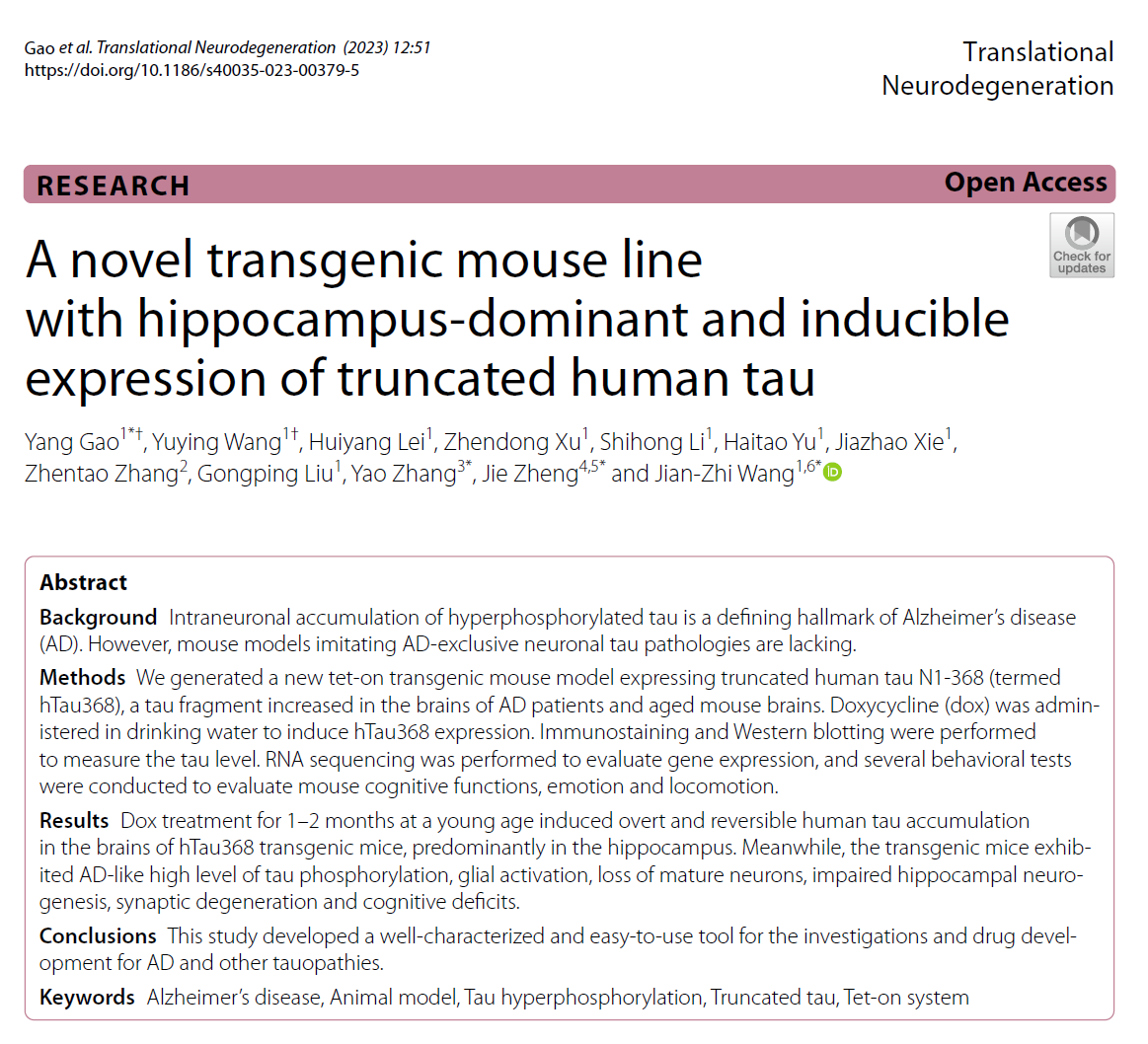
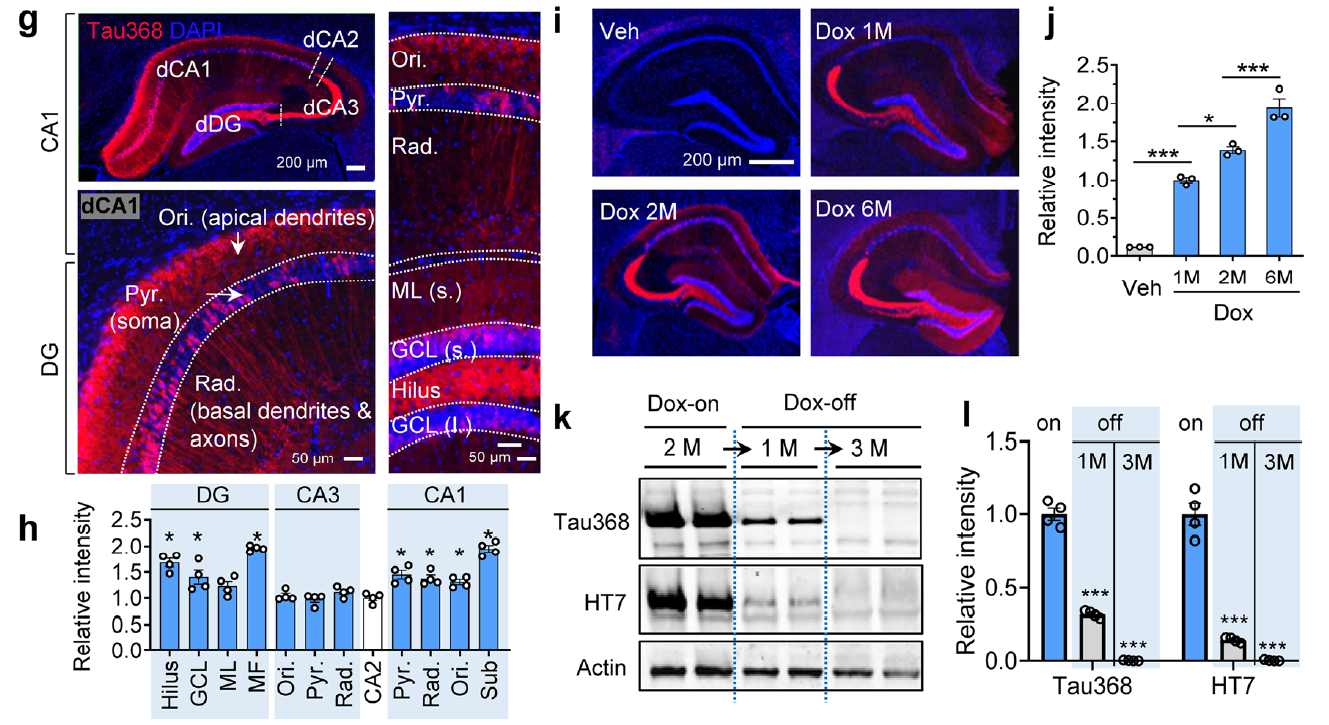
AtaGenix provides highly specific anti-tauN368 monoclonal antibodies to support Alzheimer’s disease research using the hTau368 transgenic mouse model. These antibodies enable precise detection of truncated tau fragments in Western blot and immunofluorescence experiments, validating tau accumulation, phosphorylation, and associated cognitive deficits in the hippocampus. With exceptional specificity and stability, AtaGenix’s solutions empower researchers to explore tau pathology mechanisms and advance tau-targeted therapeutic development.

Contact Us

+86-27-65523339

info@atagenix.com

Building C, R & D Building, No. 666, Shendun 4th Road, Donghu New Technology Development Zone, Wuhan