AtaGenix Laboratories

AtaGenix Laboratories
AtaGenix's Baculovirus-Insect Cell Expression System (BEVS) delivers properly folded, post-translationally modified recombinant proteins using four host cell lines: Sf9, Sf21, Hi5, and S2 (Drosophila). Using the classic Bac-to-Bac system with pFastBac vectors (pFastBac1, pFastBacHT with 6His+TEV, pFastBacDual for co-expression), we rapidly generate recombinant baculovirus without plaque assays. Full service delivery in 6–8 weeks with protein yields up to 100 mg/L.
This eukaryotic platform bridges the gap between E. coli (fast and cheap, but no PTMs) and mammalian cells (full human-type PTMs, but slower and more expensive). The insect cell system is particularly well-suited for glycoproteins, kinases, multi-subunit complexes, virus-like particles (VLPs), and membrane proteins where proper folding and modifications are essential but mammalian-level costs are not justified.
Every project includes complimentary baculovirus amplification and storage for up to 2 years — reorder protein from your existing virus stock at reduced cost and faster turnaround. For targets requiring mammalian-specific glycan patterns, explore our Mammalian Expression Services.
Eukaryotic Folding & PTMs
Proper folding, glycosylation, and phosphorylation for biologically active proteins
High Yield, Lower Cost
Mammalian-like quality at a fraction of the cost — ideal for mg-scale production
Complex Protein Capable
Multi-subunit complexes, VLPs, and membrane proteins expressed efficiently
AtaGenix's BEVS platform uses the classic Bac-to-Bac system to rapidly generate recombinant baculovirus without plaque assays. Four host cell lines (Sf9, Sf21, Hi5, S2) and three pFastBac vectors provide flexible options for any target protein. Full service from gene to purified protein in 6 to 8 weeks, with complimentary virus storage for up to 2 years.
Service Scope
| ✓ Gene synthesis & codon optimization | ✓ Bacmid construction (Bac-to-Bac system) |
| ✓ Vectors: pFastBac1, pFastBacHT (6His+TEV), pFastBacDual | ✓ 4 host cells: Sf9, Sf21, Hi5, S2 (Drosophila) |
| ✓ Virus generation P1–P3 (no plaque assay needed) | ✓ Expression optimization (MOI, time, temperature) |
| ✓ Multi-subunit co-expression (pFastBacDual) | ✓ Affinity + polishing purification, full QC |
| ✓ Free baculovirus amplification & storage for up to 2 years — reorder protein at reduced cost | |
Insect cell expression is ideal for eukaryotic targets that need proper folding and post-translational modifications but do not require mammalian-type complex glycosylation. Protein yields can reach up to 100 mg/L.
| Target Type | Why Insect Cells |
| Glycoproteins & kinases | Eukaryotic PTMs (glycosylation, phosphorylation) at lower cost than mammalian systems |
| Multi-subunit complexes | pFastBacDual enables co-expression of multiple subunits in a single host |
| Virus-like particles (VLPs) | Proven platform for VLP-based vaccine candidates and structural studies |
| Membrane proteins | Eukaryotic membrane machinery for proper insertion and native-like folding |
6–8
Weeks Delivery
4
Host Cell Lines
100 mg/L
Yield Achievable
2 Years
Free Virus Storage
Every insect cell expression project follows a 5-step pipeline using the classic Bac-to-Bac workflow. Virus titer QC is the critical checkpoint before committing to scale-up. A dedicated PhD scientist manages your project throughout.
01
Gene & Vector
Week 1–2
Codon optimization
pFastBac cloning
Sequence verification
02
Virus Generation
Week 2–3
Bacmid recombination
P1 transfection (Sf9)
P2/P3 amplification
03
Optimization
Week 3–4
MOI titration
Host cell comparison
Harvest time screen
04
Scale-up & Purify
Week 4–6
Large-volume infection
Affinity chromatography
Polishing purification
05
QC & Delivery
Week 6–8
SDS-PAGE, Western Blot
Technical report + CoA
Virus stock stored free
Step 1 — Gene & Vector: Codon optimization for insect cell expression, cloning into pFastBac1 (standard), pFastBacHT (6His + TEV cleavage site), or pFastBacDual (dual promoter for co-expression). Full sequence verification before proceeding.
Step 2 — Virus Generation: Bacmid recombination in DH10Bac cells, followed by P1 transfection into Sf9 cells and P2/P3 virus amplification. No traditional plaque purification needed with the Bac-to-Bac system.
Step 3 — Optimization: MOI titration, harvest time screening, and host cell comparison (Sf9 vs Sf21 vs Hi5) to identify the condition that maximizes target protein yield and quality. Sf21 may provide higher expression than Sf9 for certain targets; Hi5 is preferred for secreted proteins.
Step 4 — Scale-up & Purification: Large-volume infection under optimized conditions, followed by affinity chromatography and polishing purification.
Step 5 — QC & Delivery: SDS-PAGE and Western Blot verification. Protein delivered with detailed technical report and CoA. Baculovirus stock stored free for up to 2 years for future reorders. Optional: SPR/Biacore binding validation, SEC analysis, endotoxin testing.
The right expression system depends on your protein's biology. E. coli is fastest and cheapest but offers no glycosylation. Insect cells provide eukaryotic folding and simple glycans at mid-range cost. Mammalian cells deliver full human-type PTMs at higher cost.
| Feature | E. coli | Insect Cell | Mammalian |
|---|---|---|---|
| Glycosylation | None | Simple glycans | Complex / human-type |
| Folding | Limited | Eukaryotic | Eukaryotic |
| Yield | High | Up to 100 mg/L | Moderate |
| Timeline | 2–3 weeks | 6–8 weeks | 8–12 weeks |
| Relative Cost | $ | $$ | $$$ |
Need a different system? E. coli for lowest cost non-glycosylated targets. HEK293 or CHO for human-type complex glycosylation. Yeast for secreted proteins at lower cost.
What cell lines are available for insect cell expression?
AtaGenix offers four insect cell host lines: Sf9 (standard for virus generation and intracellular expression), Sf21 (may provide higher yields than Sf9 for certain targets), Hi5 (optimized for secreted protein production), and S2 Drosophila cells (suitable for constitutive expression without baculovirus).
How long does insect cell protein expression take?
Full service delivery from gene synthesis through purified protein takes 6 to 8 weeks. This includes gene synthesis and vector construction (weeks 1–2), baculovirus generation (weeks 2–3), expression optimization (weeks 3–4), scale-up and purification (weeks 4–6), and QC with delivery (weeks 6–8).
Does AtaGenix store the baculovirus after the project?
Yes. AtaGenix provides complimentary baculovirus amplification and storage for up to 2 years. Clients can reorder protein from their existing virus stock at reduced cost and faster turnaround, since virus generation steps are already complete.
When should I choose insect cells over E. coli or mammalian expression?
Choose insect cells when your protein requires eukaryotic post-translational modifications (glycosylation, phosphorylation, proper folding) but does not need mammalian-type complex glycosylation. Insect cells are also the best choice for multi-subunit complexes (via pFastBacDual co-expression), virus-like particles, and membrane proteins. If your protein has no PTM requirements, E. coli is faster and cheaper. If you need human-type glycans, choose mammalian expression.
Insect cell glycosylation produces paucimannose-type glycans which differ from mammalian complex glycans. Yields and timelines are target-dependent. Optional QC add-ons: SPR/Biacore binding validation, SEC analysis, endotoxin testing. Quote-based pricing.
Explore real-world yeast protein expression case studies from AtaGenix. Our Pichia pastoris and Saccharomyces cerevisiae platforms deliver high-yield recombinant proteins with proper folding and glycosylation — supporting enzyme production, diagnostic antigen development, and antibody screening applications.
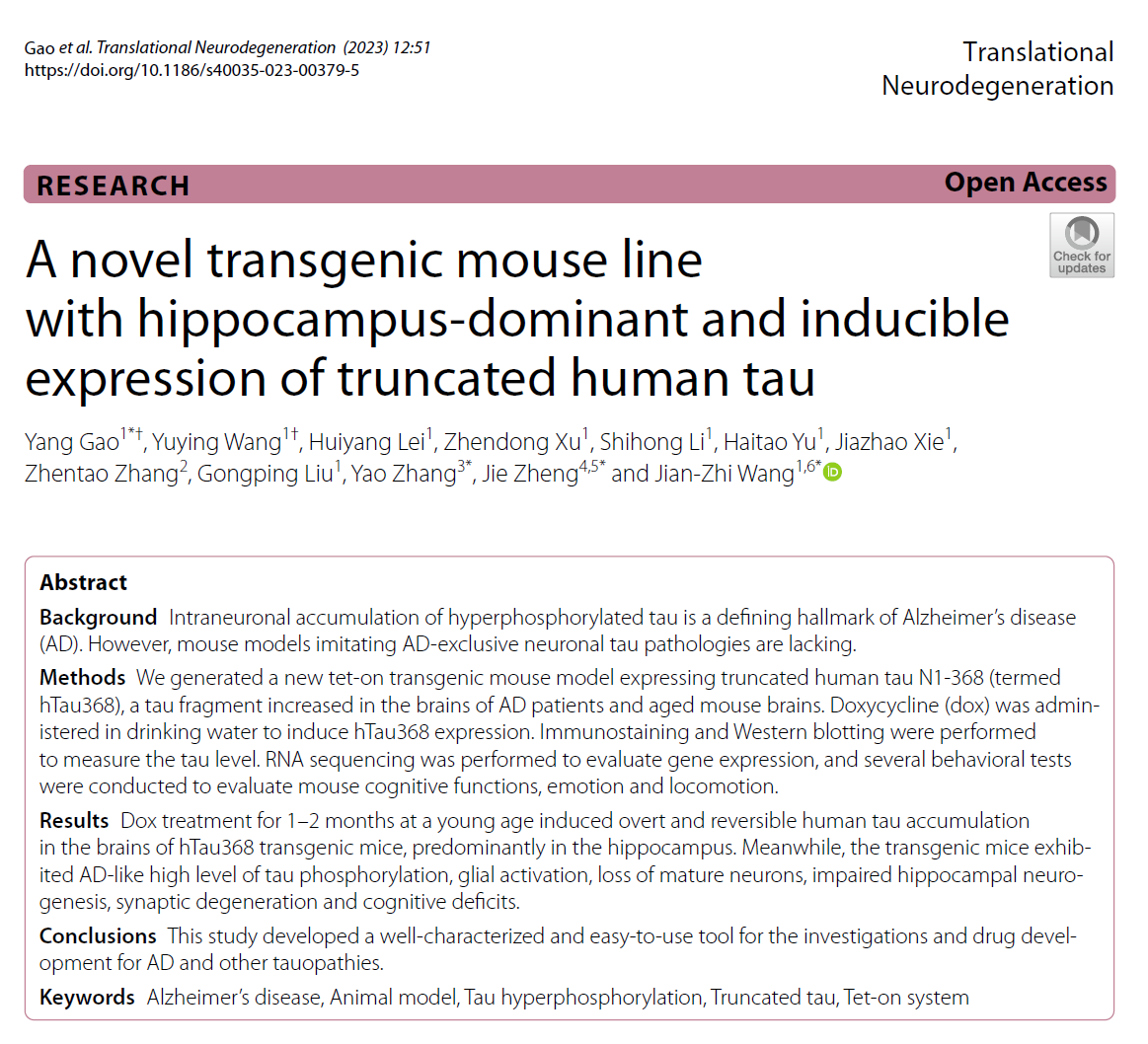
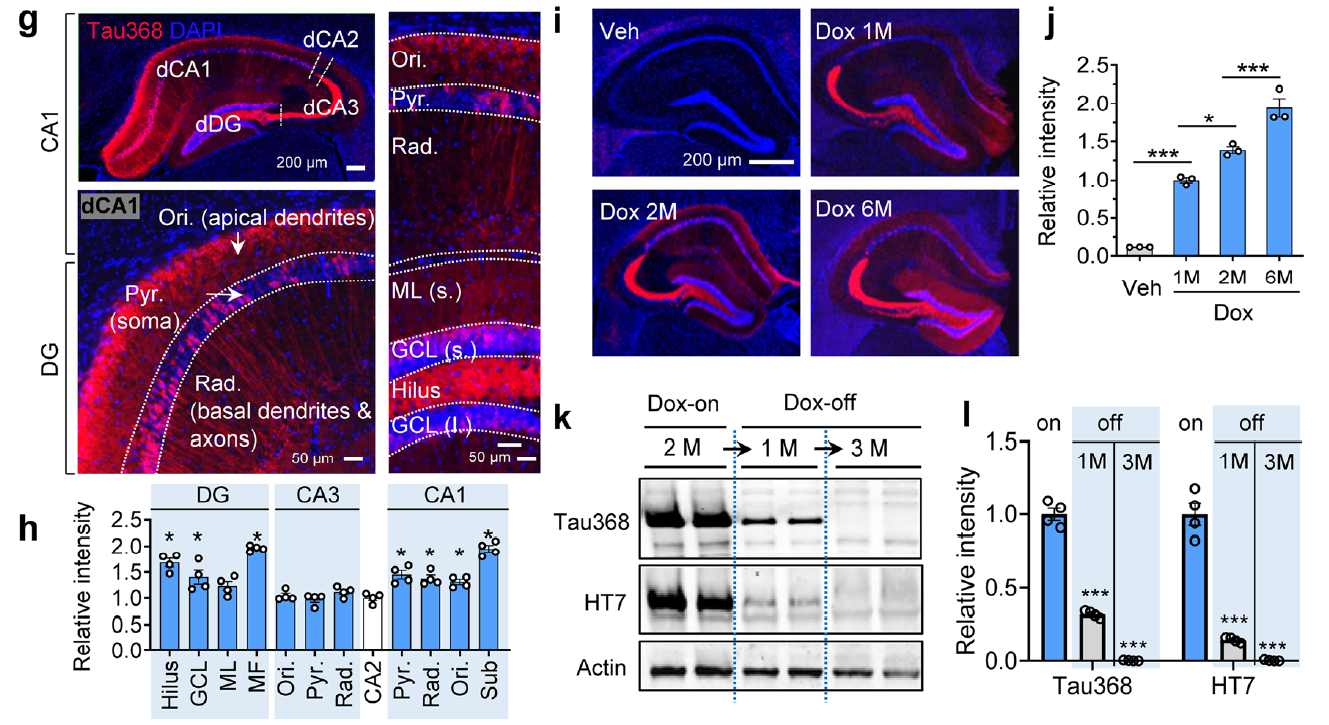
AtaGenix provides highly specific anti-tauN368 monoclonal antibodies to support Alzheimer’s disease research using the hTau368 transgenic mouse model. These antibodies enable precise detection of truncated tau fragments in Western blot and immunofluorescence experiments, validating tau accumulation, phosphorylation, and associated cognitive deficits in the hippocampus. With exceptional specificity and stability, AtaGenix’s solutions empower researchers to explore tau pathology mechanisms and advance tau-targeted therapeutic development.
Contact Us

+86-27-65523339

info@atagenix.com

Building C, R & D Building, No. 666, Shendun 4th Road, Donghu New Technology Development Zone, Wuhan