AtaGenix Laboratories

AtaGenix Laboratories
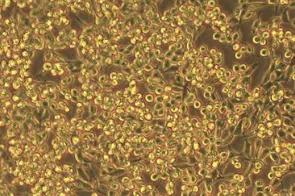
AtaGenix's HEK293 transient expression service delivers purified recombinant proteins with human-type post-translational modifications in as fast as 2 weeks. As a human embryonic kidney-derived cell line, HEK293 produces proteins with glycan profiles closest to native human proteins — making it the preferred choice when downstream bioactivity and clinical relevance matter.
This platform is ideal for early-stage screening, binding characterization (SPR/BLI), functional assays, and preclinical animal studies where you need milligram quantities fast, without committing to stable cell line development. Our optimized transfection protocols and serum-free suspension culture consistently achieve high expression titers.
Ready to scale up? HEK293 transient data directly informs the transition to CHO stable cell line development when consistent long-term supply becomes the priority.
Human-Type PTMs
Native glycosylation and folding from a human-derived cell line
As Fast as 2 Weeks
From plasmid to purified protein — fastest mammalian delivery option
mg-Scale Delivery
Sufficient for SPR, cell-based assays, animal studies, and early screening
HEK293 is the gold standard when your protein requires human-type glycosylation, complex disulfide bonds, or native folding that cannot be achieved in CHO or insect cells.
Service Scope
| ✓ Gene synthesis & codon optimization | ✓ Expression vector construction |
| ✓ HEK293F / 293E suspension culture | ✓ Serum-free, chemically defined media |
| ✓ Transient transfection (PEI-based) | ✓ Expression optimization (harvest time, feed) |
| ✓ Affinity + polishing purification | ✓ Endotoxin removal available (<1 EU/µg) |
| ✓ Full QC: SDS-PAGE, WB, SEC, endotoxin | ✓ Multiple tag options (His, Fc, Flag, etc.) |
| Use Case | Why HEK293 |
| Therapeutic antibody candidates | Human-type glycosylation for accurate bioactivity and Fc receptor binding assessment |
| Receptor ectodomains & Fc fusions | Complex disulfide bonds and proper folding for SPR/BLI binding studies |
| Viral antigens & vaccine candidates | Native conformation and PTMs critical for immune response evaluation |
| Preclinical in vivo studies | Low endotoxin, high purity protein from a human host — minimizing immunogenic artifacts |
2 wks
Turnaround
Human
Glycan Profile
>90%
Purity Available
mg
Scale Delivery
A streamlined 4-step pipeline optimized for speed. From your sequence to purified protein in as few as 2 weeks.
01
Gene & Vector
Codon optimization
Vector construction
Sequence confirmation
02
Transfection
HEK293F suspension
PEI-mediated delivery
Serum-free conditions
03
Expression & Harvest
5–7 day culture
Feed supplementation
Supernatant harvest
04
Purify & QC
Affinity chromatography
SEC polishing
SDS-PAGE, WB, endotoxin
Both deliver milligram quantities in ~2 weeks. The choice comes down to your protein's biology and downstream use.
| Factor | HEK293 Transient | CHO Transient |
|---|---|---|
| Glycan Profile | Human-type (complex, sialylated) | CHO-type (differs from human) |
| Stable Line Pathway | Limited (HEK stable less common) | Direct path to CHO stable cell line |
| Regulatory Acceptance | Preferred for gene therapy & vaccines | Industry standard for mAb manufacturing |
| Difficult Proteins | Better for complex folds & multi-domain | Standard targets, antibodies |
| Best For | Bioactivity assays, SPR, in vivo | Screening hits, stable line preview |
Ready to scale? Transition to a CHO Stable Cell Line for consistent gram-scale manufacturing with documented monoclonality and 60+ generation stability.
Timelines assume customer-provided plasmid or gene sequence. Gene synthesis adds 3–5 business days. Yields are target-dependent. Quote-based pricing.
Explore real-world yeast protein expression case studies from AtaGenix. Our Pichia pastoris and Saccharomyces cerevisiae platforms deliver high-yield recombinant proteins with proper folding and glycosylation — supporting enzyme production, diagnostic antigen development, and antibody screening applications.
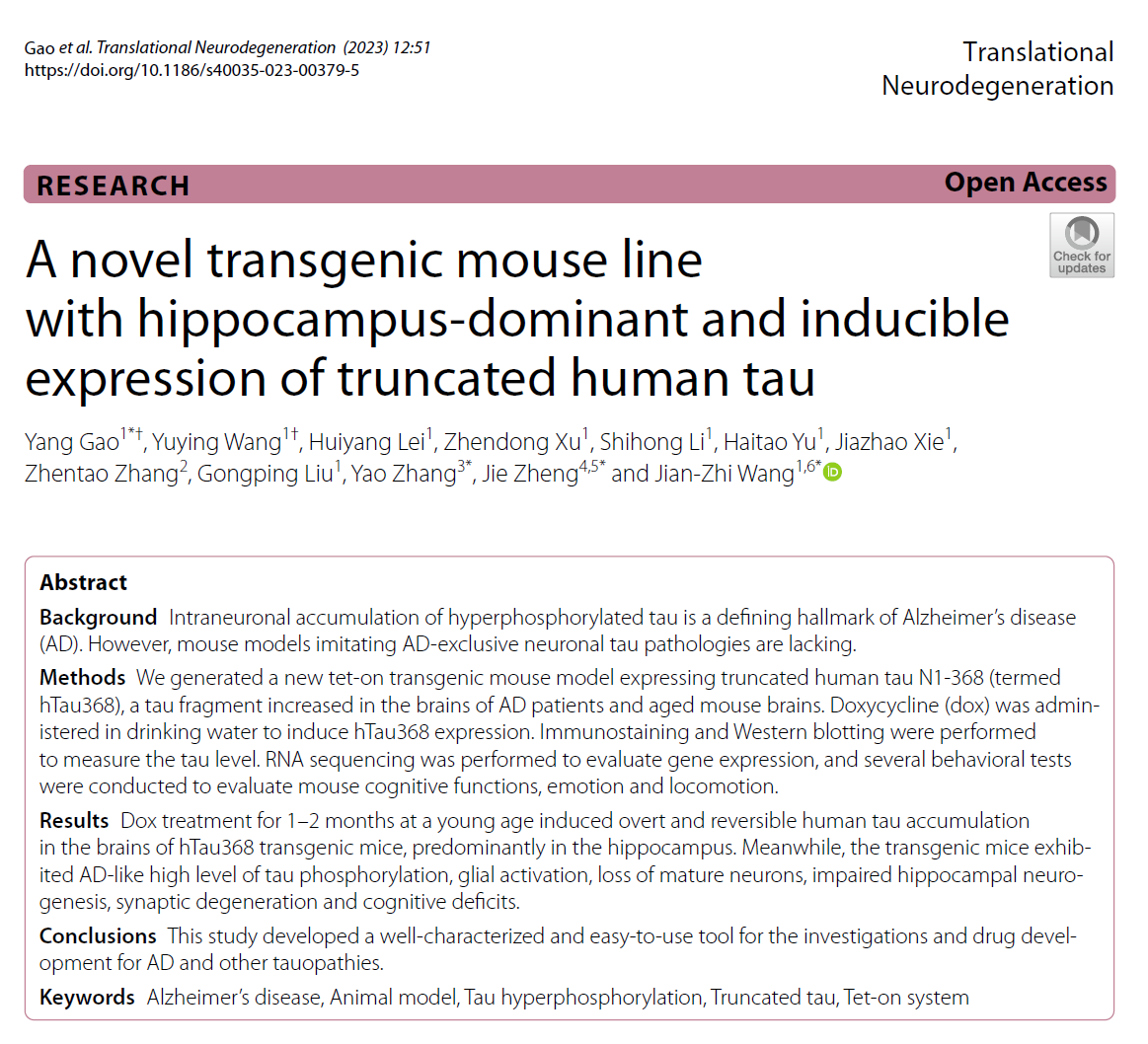
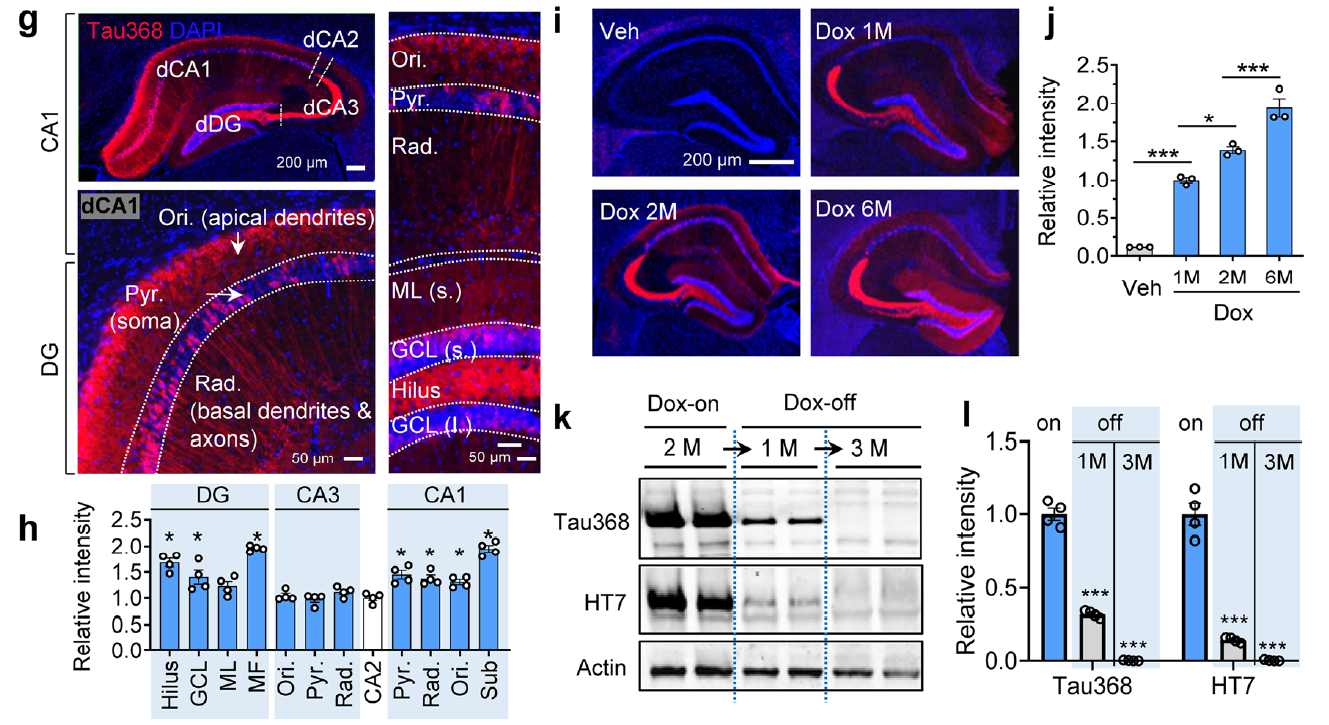
AtaGenix provides highly specific anti-tauN368 monoclonal antibodies to support Alzheimer’s disease research using the hTau368 transgenic mouse model. These antibodies enable precise detection of truncated tau fragments in Western blot and immunofluorescence experiments, validating tau accumulation, phosphorylation, and associated cognitive deficits in the hippocampus. With exceptional specificity and stability, AtaGenix’s solutions empower researchers to explore tau pathology mechanisms and advance tau-targeted therapeutic development.

Contact Us

+86-27-65523339

info@atagenix.com

Building C, R & D Building, No. 666, Shendun 4th Road, Donghu New Technology Development Zone, Wuhan