AtaGenix Laboratories

AtaGenix Laboratories
AtaGenix provides cost-effective, high-yield E. coli recombinant protein expression services — from gene synthesis to purified protein. Our systematic approach screens up to 32 expression conditions (strain, temperature, IPTG concentration, induction time) to identify the optimal parameters for your target protein.
Whether you need microgram quantities for initial characterization or gram-scale production for in vivo studies, our prokaryotic platform delivers with turnaround as fast as 2–3 weeks. PhD-level scientists manage every project with rigorous QC at each stage.
E. coli expression is ideal for non-glycosylated proteins, antigens, enzyme targets, and structural biology applications where speed and cost-efficiency are priorities. For targets requiring mammalian post-translational modifications, explore our Mammalian Expression Services.
Our standardized pipeline takes your gene sequence from design through to purified, QC-verified protein — with expert optimization at every step.
Service Scope
| ✓ Codon-optimized gene synthesis | ✓ Vector construction & sequence verification |
| ✓ Multi-strain transformation (BL21, Rosetta, SHuffle, etc.) | ✓ Up to 32 expression condition screens |
| ✓ Soluble & inclusion body pathways | ✓ Inclusion body refolding optimization |
| ✓ Affinity & polishing chromatography (Ni-NTA, SEC, IEX) | ✓ Endotoxin removal (<1 EU/μg available) |
| ✓ Scalable: mg to gram quantities | ✓ Full QC: SDS-PAGE, WB, Bradford, endotoxin |
| Best For | Why E. coli |
| Antigens & immunogens | Fast, high-yield production for antibody generation campaigns |
| Enzymes & non-glycosylated proteins | No glycosylation needed — E. coli delivers active protein at the lowest cost |
| Structural biology (X-ray, Cryo-EM) | High purity (>95%) and homogeneity for crystallization and structural studies |
| Budget-sensitive projects | Most economical expression system — ideal for early-stage screening and feasibility |
2–3
Weeks Turnaround
32
Conditions Screened
>95%
Purity Available
mg–g
Production Scale
Need glycosylation or mammalian PTMs? Consider our HEK293 Transient, CHO Transient, or Insect Cell (Baculovirus) platforms.
A standardized 5-step pipeline with optimization checkpoints to ensure maximum yield and quality.
01
Gene Design
Codon optimization
Gene synthesis
Sequence verification
02
Vector & Cloning
Subcloning into expression vector
Tag selection (His, GST, MBP, SUMO)
03
Transformation & Screening
Multi-strain testing
32 condition optimization
Solubility assessment
04
Expression & Purification
Scale-up production
Affinity + polishing chromatography
Refolding if needed
05
QC & Delivery
SDS-PAGE, WB, Bradford
Endotoxin testing
Lyophilized or liquid format
| Tag | Size | Advantage | Best For |
|---|---|---|---|
| His (6x) | ~1 kDa | Minimal size impact, simple Ni-NTA purification | General use, structural studies |
| GST | ~26 kDa | Enhances solubility, mild elution | Solubility-challenged proteins |
| MBP | ~42 kDa | Strongest solubility enhancement | Difficult-to-express targets |
| SUMO | ~12 kDa | Clean cleavage, native N-terminus | Tag-free final protein |
Timelines and yields depend on target protein properties. Our scientists will recommend the optimal tag, strain, and expression strategy during project consultation. Quote-based pricing.
Explore real-world yeast protein expression case studies from AtaGenix. Our Pichia pastoris and Saccharomyces cerevisiae platforms deliver high-yield recombinant proteins with proper folding and glycosylation — supporting enzyme production, diagnostic antigen development, and antibody screening applications.
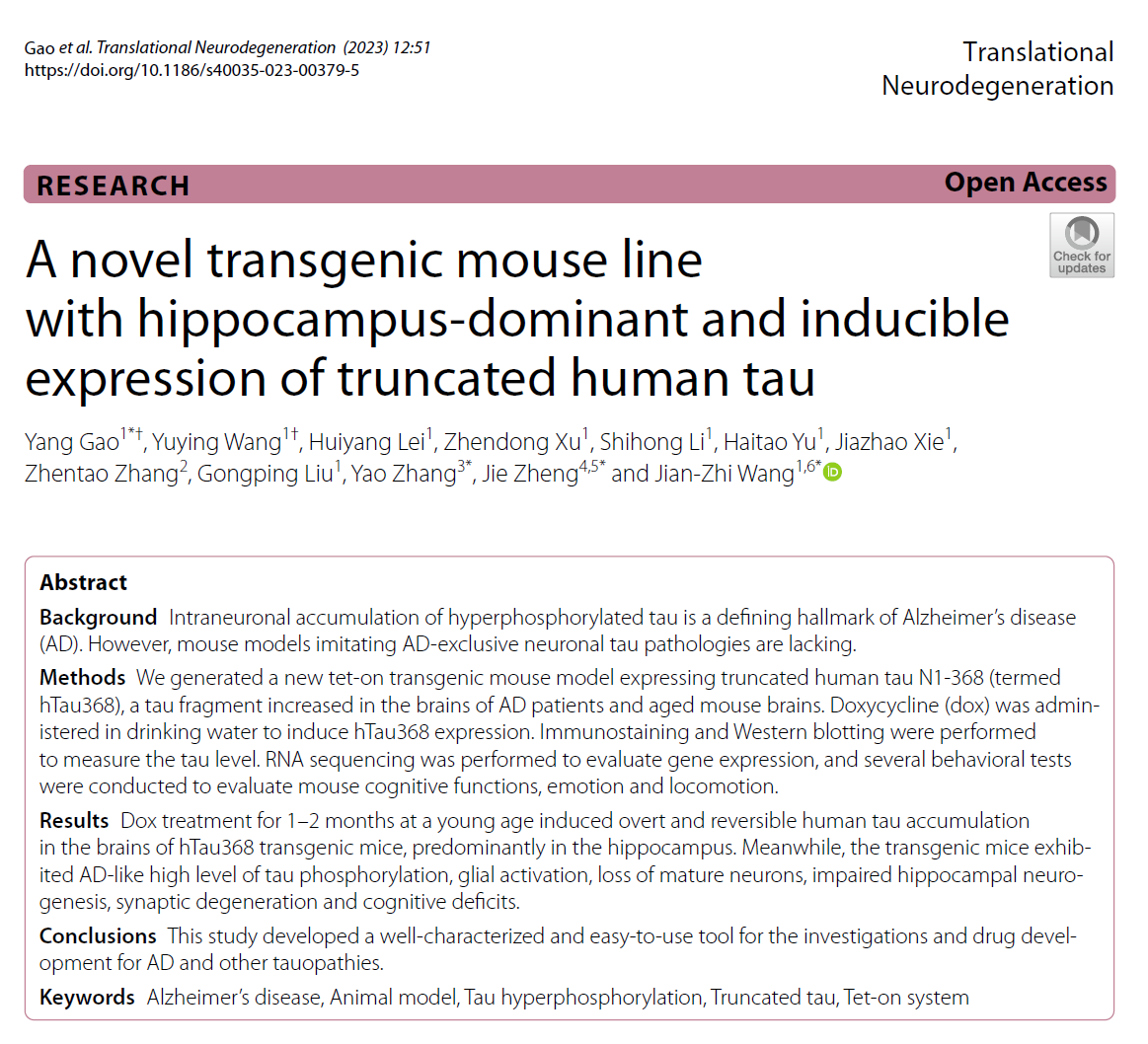
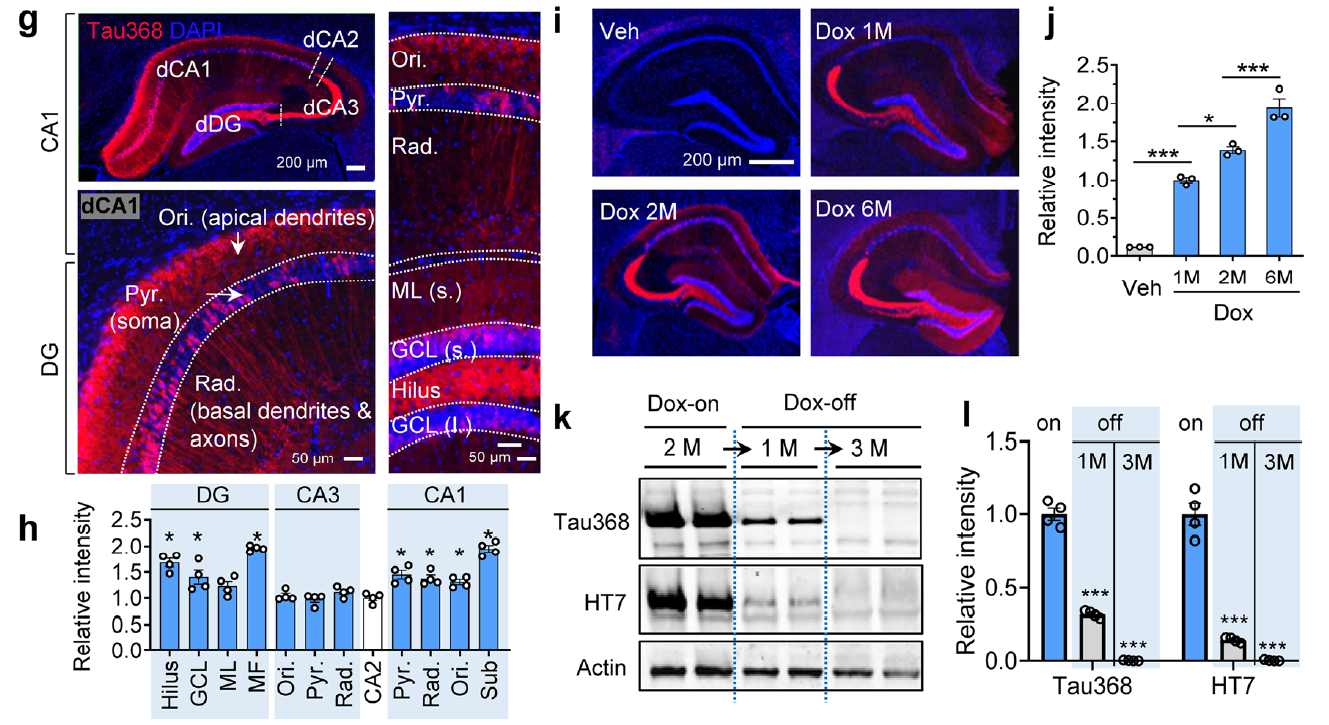
AtaGenix provides highly specific anti-tauN368 monoclonal antibodies to support Alzheimer’s disease research using the hTau368 transgenic mouse model. These antibodies enable precise detection of truncated tau fragments in Western blot and immunofluorescence experiments, validating tau accumulation, phosphorylation, and associated cognitive deficits in the hippocampus. With exceptional specificity and stability, AtaGenix’s solutions empower researchers to explore tau pathology mechanisms and advance tau-targeted therapeutic development.

Contact Us

+86-27-65523339

info@atagenix.com

Building C, R & D Building, No. 666, Shendun 4th Road, Donghu New Technology Development Zone, Wuhan